


9 Tips To Keep Your Camera Safe While Travelling
Original Article is written by Beth Reese
Many of us choose to have keepsakes of the happy memories we make on our little adventures, be it in the form of a physical souvenir or even as photographs. Of course, for high-quality photos, you need a quality camera. At the same time, we all know what a hefty price tag some cameras carry. Here are some tips to keep your camera safe:
1. Hide or remove the camera brand
if you can, you may want to consider removing or concealing your camera’s brand with a sticker. Thieves tend to target branded cameras first as opposed to local makes, especially when it’s a brand that’s popular, well-established, and easy to re-sell.
Since most camera brands are normally embossed, you can temporarily cover it up until you get back home. Black tape will probably be best, as something too cutesy and pretty may draw additional attention to your camera.
2. Use padded bags
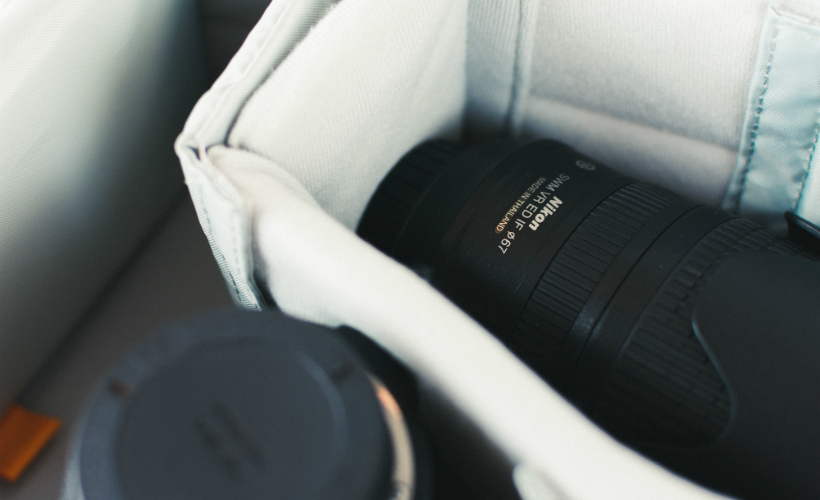
These are specialty bags designed to keep your camera’s body, lenses, and additional paraphernalia all in one convenient carry-all. The special padding keeps your camera parts protected, while the special fits will also ensure that they don’t fall out. It’ll also help keep you organised, making finding the right tools you need easier and faster.
2. Waterproof backpacks
The main difference between a padded bag and waterproof camera backpack is in the way that it’s carried. So, it all depends on what you’re most comfortable with. The perk of a waterproof backpack (besides keeping your camera and everything else dry) is that you have your arms free as opposed to having to lug something over your shoulder.
4. Use a camera strap
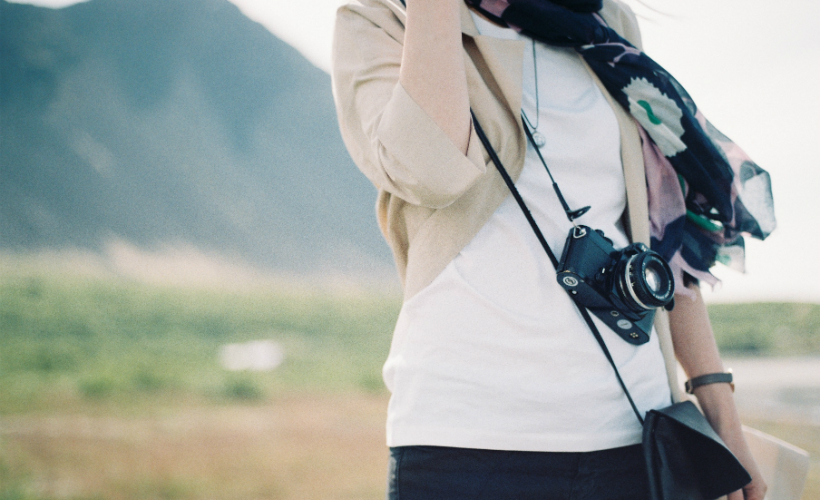
The cameras fitted with a strap will always stay on our person. Although, yes, your camera can get a bit heavy around your neck for a few hours, it’s probably the safest way to hold on to it when out and about. Also be sure to actually keep your camera around your neck and not loosely hung on your shoulders, where it can easily be snatched.
5. Always have a friend by your side
The buddy system never fails! While you’re busy going snap-happy on your travels, ask your travel partner to help keep an eye on the goods while you focus your attention — and camera lens — elsewhere. It’s easy to get distracted while you’re shooting, and although your camera may be in your hands, your extra lenses, stands, and other things are left vulnerable and may end up getting swiped. The little extras can fetch a quick buck too!
6. Try not to look like a professional

Sometimes, the more amateur you appear, the better. While in certain scenarios it’ll be obvious that you’re a foreigner, appearing like a regular tourist instead of one who’s there as a pro photographer will keep the focus off you. In other words, when you look like a pro, those around you will safely assume that you’ve got some expensive and high-end gear or equipment.
7. Keep the camera hidden as much as possible
When not in use, keep your camera hidden if possible. Ideally, conceal it within a bag or your jacket, so others won’t know that you have one on your persons. This applies especially when you choose to head out without lugging along your camera backpack or padded shoulder bag.
8. Carry multiple memory cards
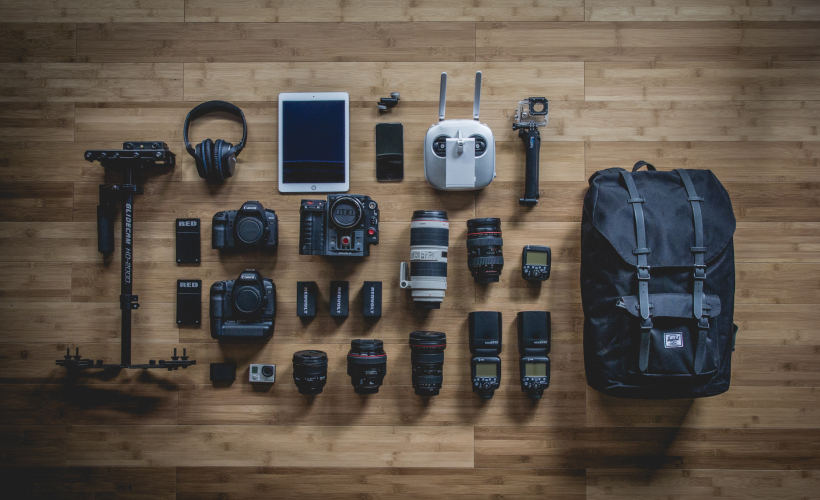
Cameras can be replaced, but memories can’t be. Whenever possible, cut your losses and carry two or more memory cards with you. If possible, transfer everything onto an external drive so that all existing photos are kept safe and sound, as you can always keep that in your hotel’s safe and not carry it around with you.
9. Get insurance
Even if you were to follow all the above steps to a tee, there are no guarantees that your camera will always be kept safe. You can, however, opt to have your camera insured. It’s a small price to pay for peace of mind that even if the unforeseen were to happen, you can always claim the loss and purchase a replacement. Meanwhile, if you followed tip number 8, your stills will also be kept safe! Just be sure to comply with insurance requirements, like keeping note of your camera’s serial number on your phone and so on. Now, snap away!


